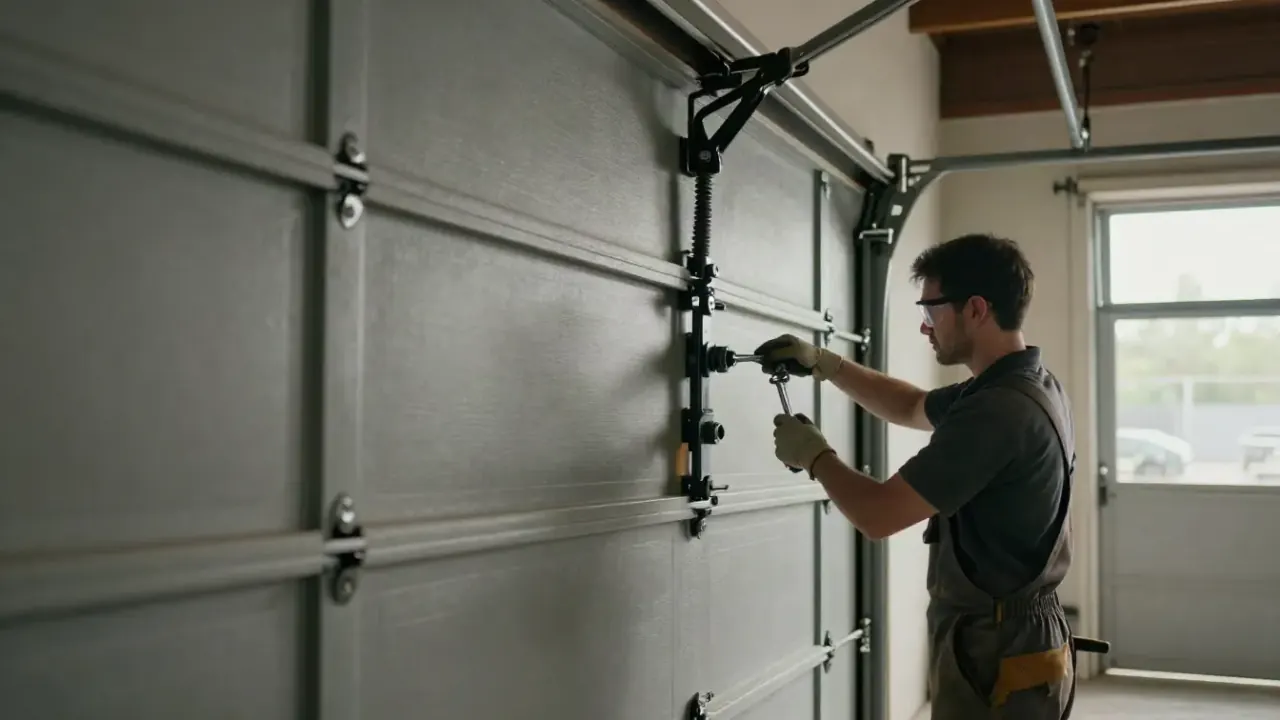
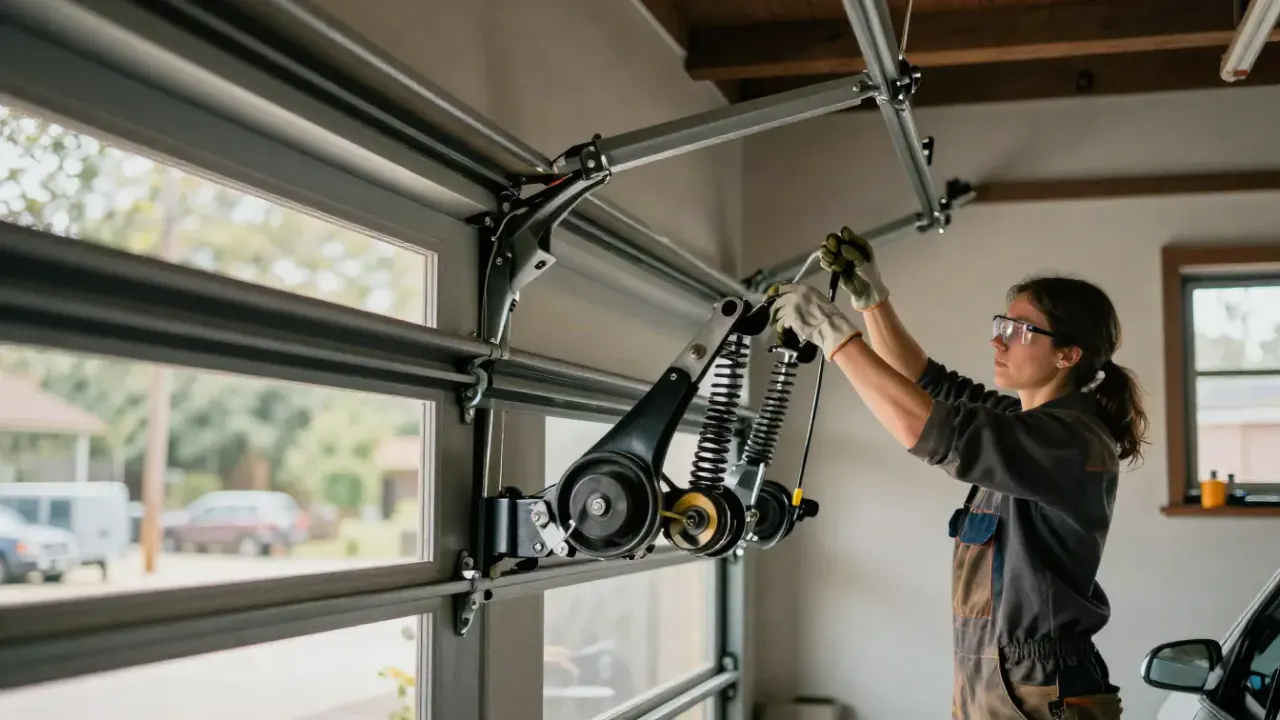
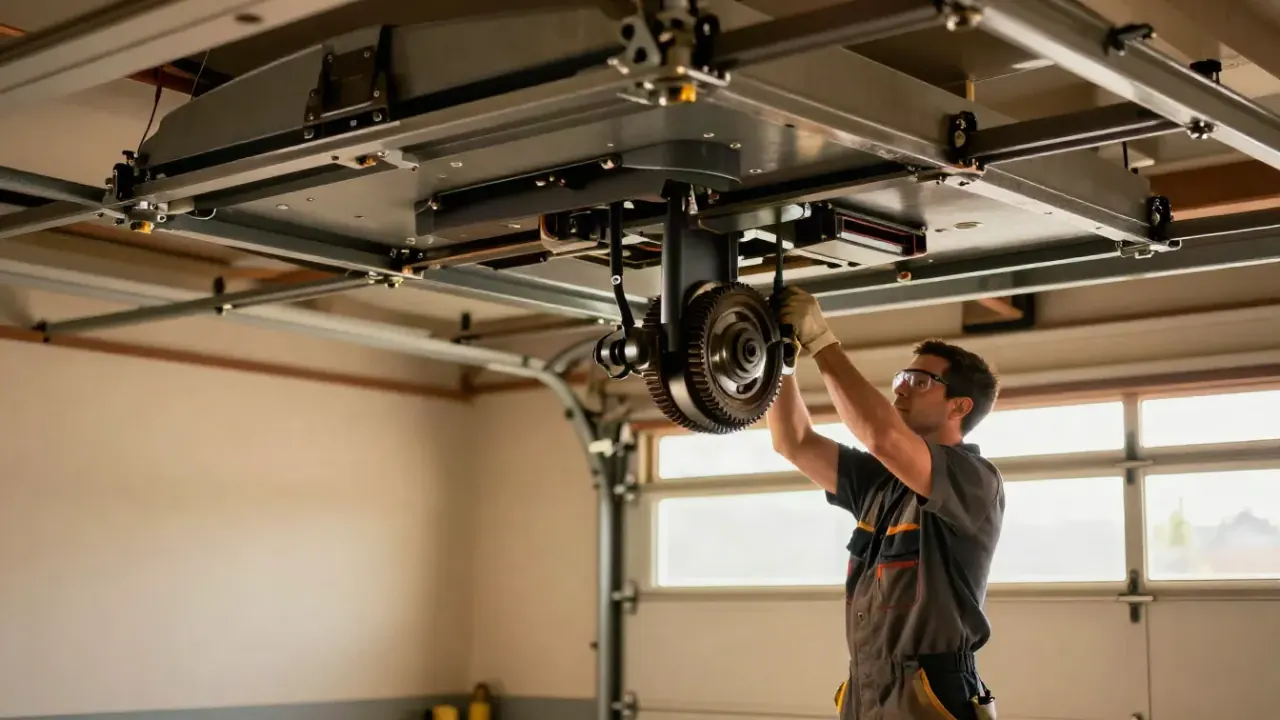
Check what is visible
Look for a lock left engaged, an obstruction or obvious damage without touching the moving mechanism. Note the opener lights and whether you hear the motor continue after the door stops.
Watch for spring and cable damage
A visible spring gap, a slack cable or a crooked door is a reason to stop. Do not disconnect or try to lift a raised door with suspected counterbalance damage.
Do not increase the force
An opener setting should not be used to overcome an obstruction or damaged door. Follow your model manual and ask for a diagnosis before changing travel or force settings.
Prepare for the visit
Have the opener model, the door position and the fault pattern ready. Explain whether the problem started suddenly or became worse over time. Ask for the door and opener to be inspected together.
Make the service call easier
Note the opener model, describe what the door does and explain where it has stopped. Ask about coverage for your Leominster address, the visit fee and whether the provider will give a written estimate before work begins. You do not need to diagnose the failed part yourself.
Keep the provider's name and contact details with any quote or warranty. A recommendation to replace a part should come with a reason, not just a promise that a more expensive option will solve the problem.
Safety references
These guides follow the lifting-hardware and emergency-release warnings in the Chamberlain owner's manual. For model-specific safety checks, see LiftMaster safety guidance. A manufacturer link does not imply an affiliation or certification.